Category: Animals

This category is dedicated to animal related topics

The Lesser apes: Gibbons and the remarkable Siamang

The lesser apes, commonly known as gibbons (and including the Siamang), are a fascinating group of small apes belonging to the family Hylobatidae. Often called “lesser” simply due to their smaller size compared to the great apes (chimpanzees, gorillas, orangutans, and humans), they are in no way inferior in ecological importance or behavioral complexity. Gibbons are among the most specialized and acrobatic primates on Earth.

The picture captures a striking Siamang (Symphalangus syndactylus) perched casually on a sturdy wooden beam in what appears to be a zoo enclosure. This large black ape sits in a relaxed yet Continue

The cruelty of bear bile farming: a persistent horror and the fight to end it

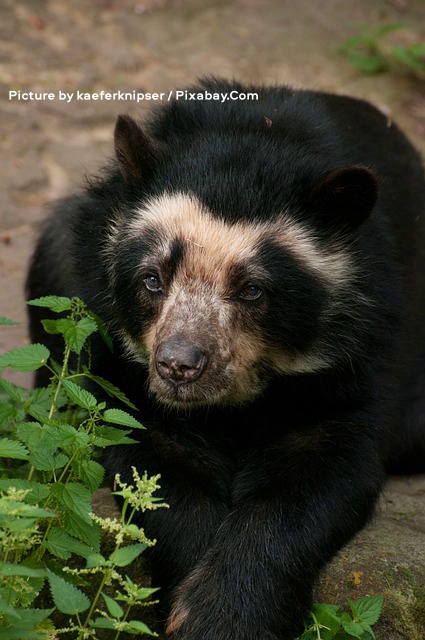
Bear bile farming represents one of the most egregious forms of animal exploitation still practiced today, primarily in parts of Asia. Thousands of bears, predominantly Asiatic Black Bears [Ursus thibetanus] (also known as Moon Bears), Sun Bears [Helarctos malayanus], and Brown Bears [Ursus arctos], are confined in tiny cages and subjected to invasive procedures to extract bile from their gallbladders. This bile is used in traditional medicine to treat ailments like liver disease, fever, and inflammation, despite the availability of effective synthetic and herbal alternatives. The practice, which began in the 1980s as a supposed conservation measure to reduce poaching … Continue

Shark finning: devastating impacts and global efforts to stop it

Shark finning is the practice of catching sharks—often with longlines or gillnets—slicing off their fins (dorsal, pectoral, caudal, etc.) while the animal is still alive, and discarding the body back into the ocean. The fins are dried and primarily used in shark fin soup, a traditional luxury dish in some cultures symbolizing wealth, status, and celebration.

The cruelty is extreme: without fins, sharks cannot swim effectively or maintain buoyancy. Many species must swim continuously to breathe (ram ventilation). Finned sharks sink, suffocate, bleed out slowly, or are eaten alive by predators—a painful death that can take hours or days. This … Continue