
Introduction
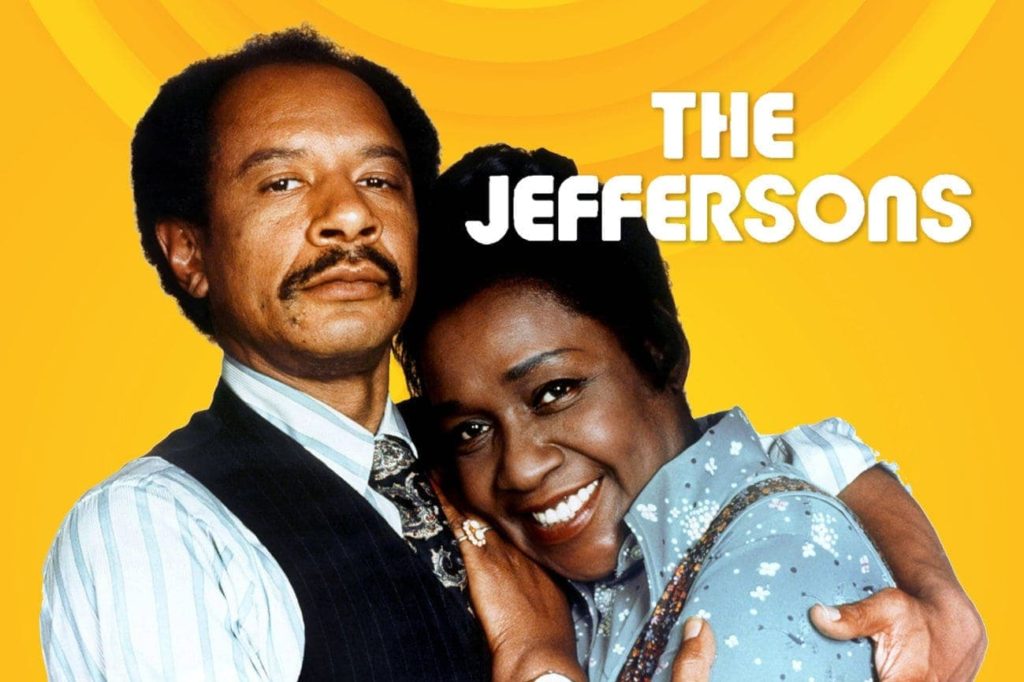
In the 1970s, The Jeffersons revolutionized television by showcasing an affluent African-American family navigating success and societal issues. This sitcom broke cultural barriers, using humor to address race, class, and the American Dream, leaving a lasting legacy in diverse representation.
A spin-off triumph
Debuting in January 1975 as a spin-off of All in the Family, The Jeffersons followed George and Louise Jefferson, a prosperous African-American couple relocating from Queens to a luxurious Manhattan condo. This shift in setting offered a fresh perspective on race and social mobility.
Pioneering representation
The Jeffersons stood out by portraying a successful African-American family, challenging stereotypes common in earlier sitcoms. George, a self-made entrepreneur, and Louise, his equal partner, offered positive role models, reshaping perceptions of the American Dream.
Tackling issues with humor
The show fearlessly addressed racism, prejudice, and injustice through sharp writing and comedy. Episodes explored topics like interracial marriage, racial profiling, and housing discrimination, encouraging viewers to reflect on their biases while keeping them engaged.
Memorable characters
The series’ success hinged on its vibrant cast. Sherman Hemsley’s George Jefferson, with his bold personality and catchphrase “Movin’ on up!”, Isabel Sanford’s grounded Louise, and Marla Gibbs’ witty maid Florence Johnston created a dynamic, beloved ensemble.
Enduring Impact
The Jeffersons paved the way for shows like The Cosby Show and Black-ish, proving diversity could resonate with audiences. It opened doors for African-American actors and writers, influencing television by championing inclusivity.
Conclusion
The Jeffersons remains a cultural milestone for its bold portrayal of an affluent African-American family and its humorous take on social issues. By challenging stereotypes and sparking meaningful conversations, it reshaped television, underscoring the power of representation.


